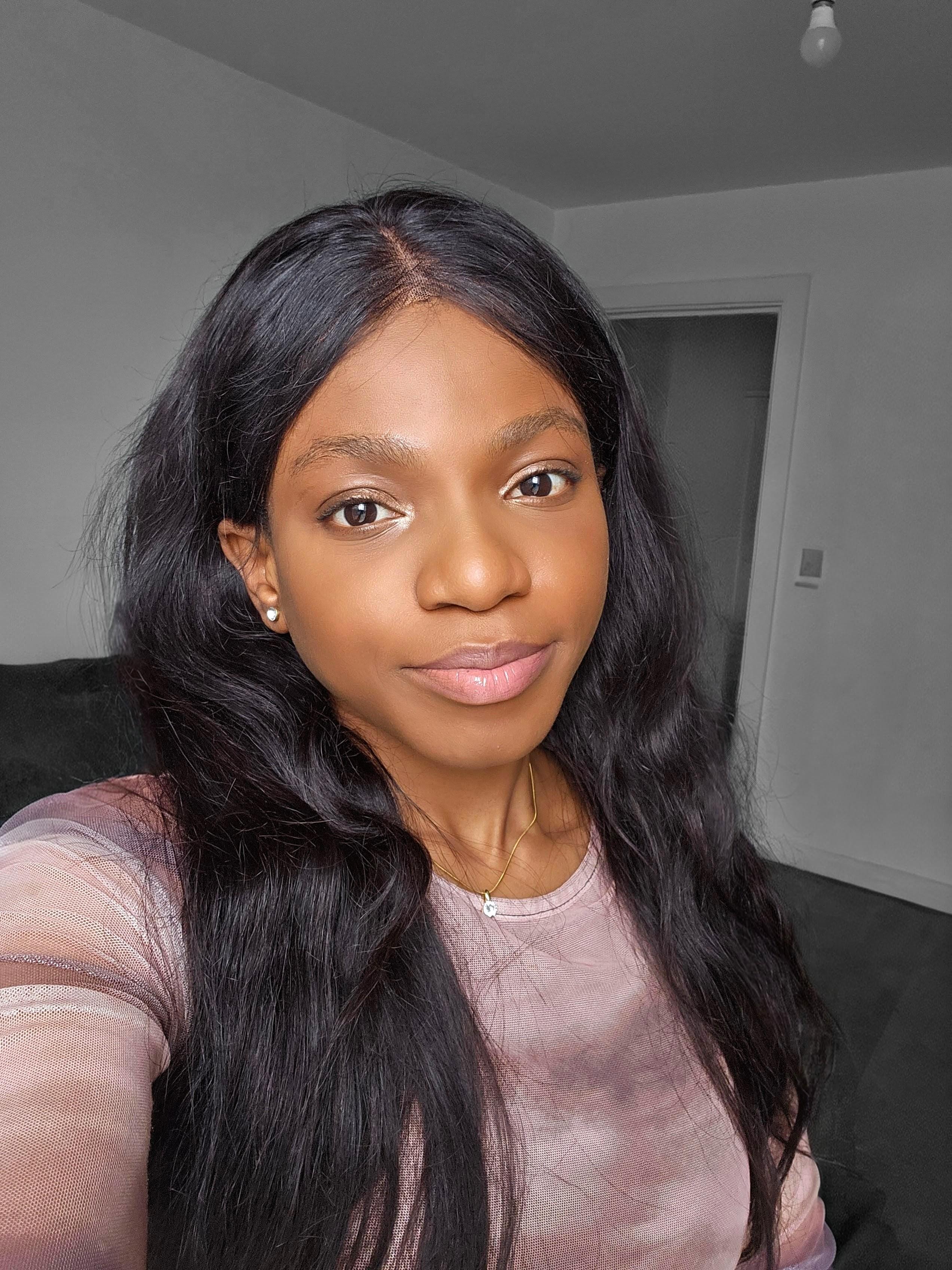
Hi, I'm Victoria Taiwo
Product Designer and strategist working on complex, high-stakes products.
Most designers stop when mockups are done. I follow work into production, track what actually happens, and adjust. The hard part of design is deciding what to build, not making it pretty.
I work across SaaS, AI, and B2B products where design decisions directly affect user safety, adoption, and business outcomes. That means thinking past the interface into system design, user mental models, and technical constraints.
At ConnexAI, I became the person the team called when they wanted to use AI but didn't know where to start. I helped designers bring AI into their workflows while working within strict security constraints, and I built tools to cut the tedious parts out of our process.
How I Think About Products
Pixel perfection means nothing if you are solving the wrong problem. Here is how I approach product work.
Start with the real problem
I begin by understanding what users actually need to accomplish, not what we assume they need. Good design solves the right problem faster than it solves the wrong problem beautifully.
Design with constraints
Business models matter. Technical feasibility matters. Budget matters. Design that ignores these isn't design, it's wishful thinking. The best solutions work within real constraints.
Validate before scaling
I measure outcomes, not outputs. I test assumptions early, learn from users, and adjust. If I can't measure impact, I'm still guessing.
From Design Execution to Product Direction
I started focused on interfaces. Over time I realized the bigger impact is upstream, in what we decide to build and why. My design background taught me how to see systems, but I discovered I needed product thinking to navigate them.
Working on enterprise products taught me that translation is the real skill. I translate user problems into business cases. I translate technical constraints into design possibilities. I translate strategy into something teams can actually execute.
Lately that work lives inside AI systems. The challenge is making complex decision logic feel understandable and controllable. Not novelty for its own sake, but systems people trust enough to actually use and believe in.
Outside of Work
Thriller Enthusiast
Psychological thrillers, plot twists, and stories that make you question reality. I love analysing how tension, pacing, and mystery are designed.
Shower Concert Headliner
I perform full concerts in the shower with absolute confidence. The acoustics are unmatched. The neighbours remain unconvinced.
Chronic Tinkerer
I have a growing collection of side projects in various states of completion. Each one teaches me something new, even if it never ships.
My Product Philosophy
Good design respects people's time and attention. It works with their mental model, not against it. It guides people through complexity with clarity, keeps them in control, and never hides what's actually happening.
I'm particularly focused on systems where AI or automation handles decisions. Users need visibility into how systems think. They need clear ways to override or escalate when something doesn't feel right. They need error recovery that respects their concerns instead of dismissing them.
Design is one part of the puzzle. The best products solve real problems for real people while working within business and technical reality. That alignment is where impact lives.
I make decisions by combining data and conversation. Numbers show what happened. Talking to people shows why. The best bets come from understanding both.