Product Designer shaping trustworthy AI and complex digital systems
I design user-centred products where strategy, UX, and real-world constraints meet.
I turn ambiguity into product decisions. I connect user problems to business outcomes and design systems that reduce friction, improve clarity, and drive adoption.
Selected Work
Projects showcasing how I combine product thinking with design to solve real problems: navigating complex systems, building trust in AI, and creating experiences where technology amplifies human judgment.
Information Architecture at Scale: Making Complex Dependencies Visible
Redesigned a critical enterprise form system that eliminated post-launch support escalations and removed QA bottlenecks. By making API configuration dependencies visible, support tickets for broken integrations dropped sharply. Shipped and running in production across 58 enterprise clients on 5 continents.

Explore Project
What If Capturing Design Decisions Took 30 Seconds?
Built a voice-first app that turns speech into structured memory cards, shipped in 3 days using Claude, v0, and Cursor while working full-time. Demonstrates rapid prototyping with AI-assisted tools and shipping ambitious ideas on tight timelines. Proof of concept for AI-powered design workflows.

Explore Project
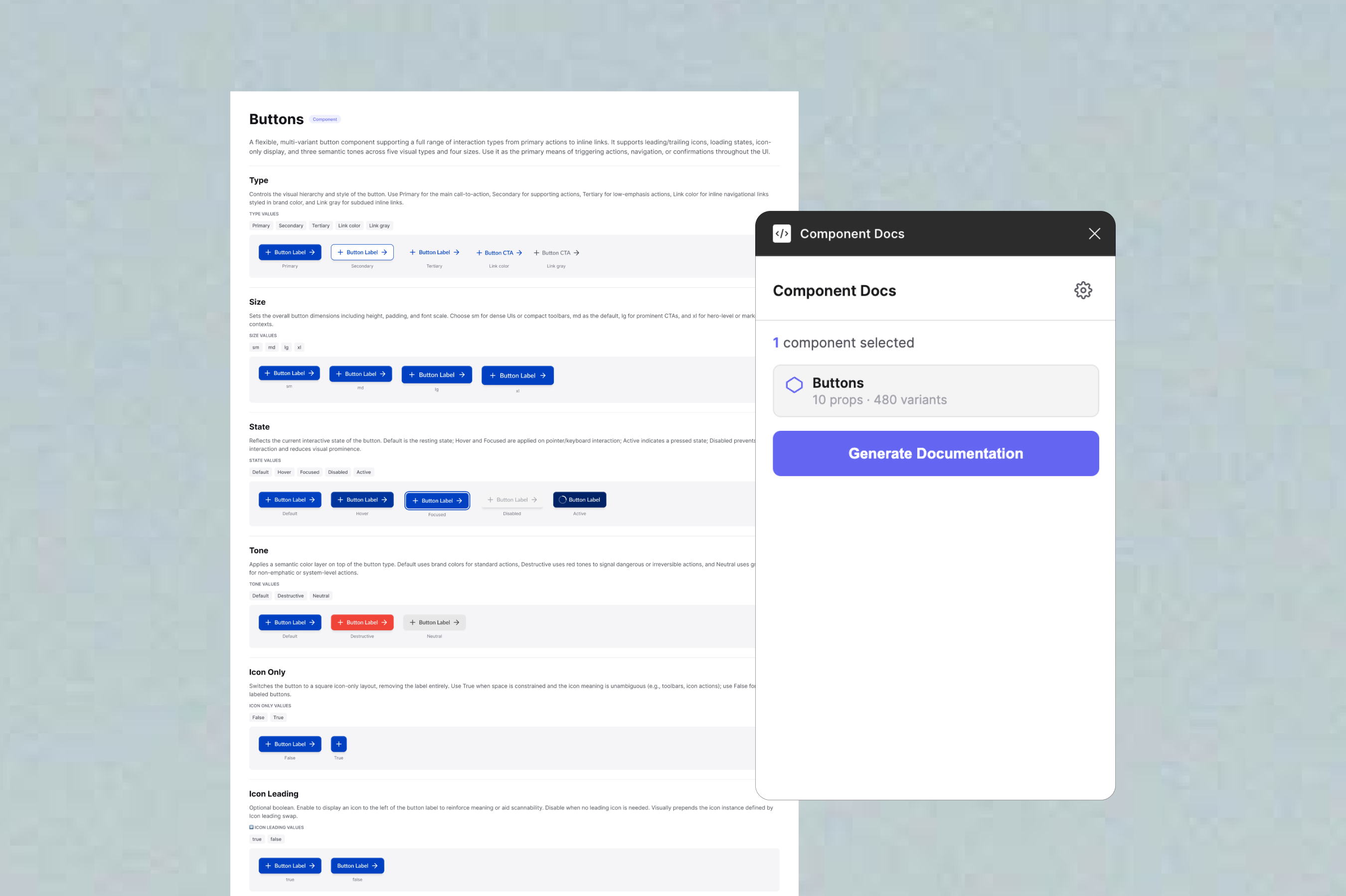
The Figma Plugin I Built Because No One Had Time to Write Docs
Built a Figma plugin that reduces design system documentation from 90–135 minutes per component to under 2 minutes total. Shifts documentation from a writing task to an editing task, enabling designers to spend time reviewing instead of composing. Eliminates outdated PDFs, accelerates new designer onboarding, and ensures developers reference accurate specs.
Explore Project
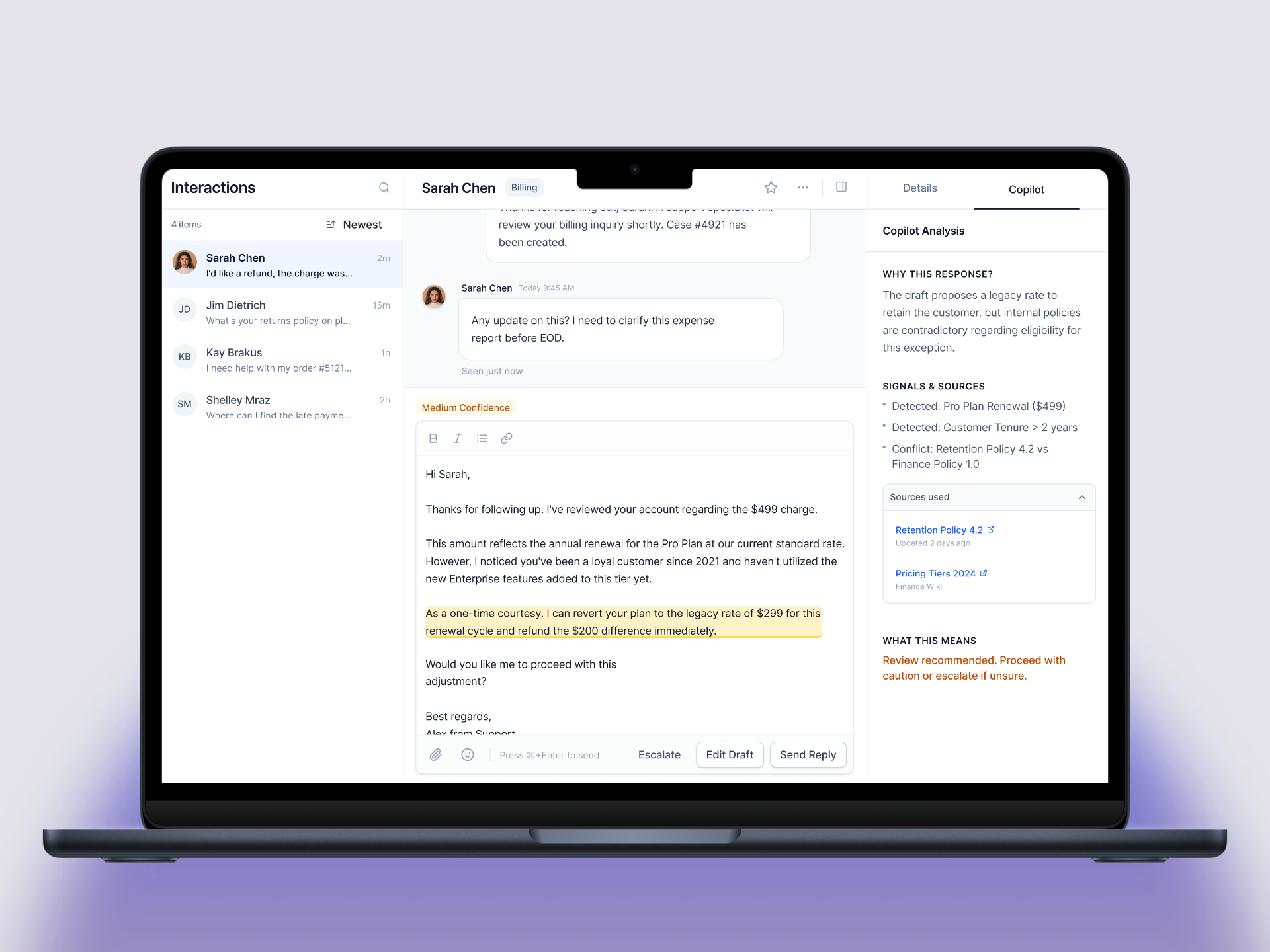
When Should AI Decide, and When Should It Ask for Help?
Designed a human-in-the-loop decision framework that scales AI confidence to match stakes. For low-risk decisions, AI responds instantly. For high-stakes billing or financial questions, AI drafts and surfaces reasoning for human review. Reduces agent cognitive load while maintaining accuracy on decisions where cost of error is high.
Explore Project